Category: public

Comment choisir son équipement scénique d’occasion sur StageMatchComment choisir son équipement scénique d’occasion sur StageMatch


Choisir un équipement scénique professionnel d’occasion demande de concilier exigences techniques, sécurité et budget. Sur StageMatch, une place de marché interentreprises consacrée au matériel professionnel de spectacle, des milliers d’annonces professionnelles couvrent le son, l’éclairage, la vidéo et les équipements de scène. Pour sélectionner le bon matériel, il faut d’abord définir ses besoins, puis examiner les caractéristiques, l’état, les accessoires et les conditions de transport. Une démarche méthodique aide à comparer les offres et à préparer un achat adapté aux contraintes réelles de votre activité.
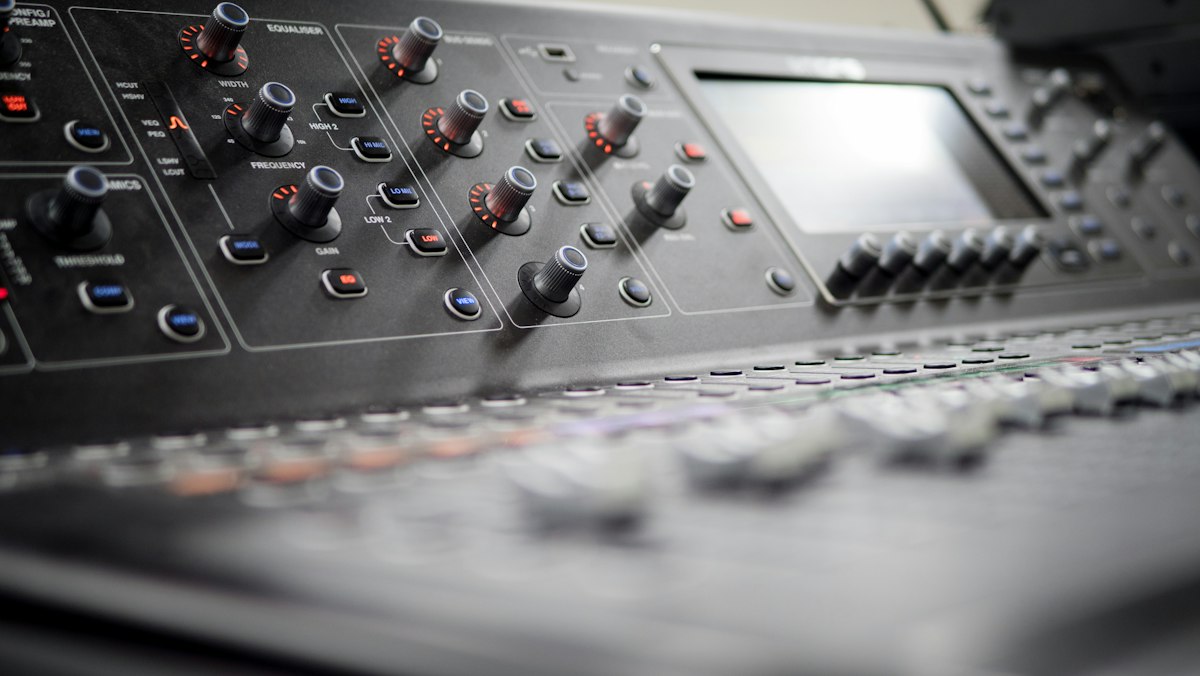
Les fondamentaux d’un équipement scénique professionnel adapté

Un parc scénique cohérent se construit autour des usages : tournées, festivals, salles de spectacle, conférences ou prestations événementielles. Avant de consulter les annonces, identifiez les configurations auxquelles le matériel devra répondre, la fréquence de son utilisation et les contraintes de montage. Une enceinte, une console de mixage, un projecteur ou une structure de scène ne se choisissent pas uniquement selon leur prix. Il faut aussi tenir compte de leur compatibilité avec le matériel déjà disponible, de la capacité nécessaire et des conditions d’exploitation. Cette analyse précise permet de repérer les équipements réellement utiles et d’éviter les achats difficiles à intégrer.

L’occasion peut donner accès à du matériel professionnel robuste, mais elle exige un examen attentif de chaque annonce. Relevez la marque et le modèle exacts, les caractéristiques techniques, les éléments inclus et l’état annoncé. Les indications « Excellent », « Bon » ou « Correct » constituent un premier repère, sans remplacer les questions adressées au vendeur. Demandez des précisions sur l’âge, l’entretien, les réparations et les éventuels défauts. Pour les éléments soumis à des transports répétés, comme les enceintes ou les projecteurs, vérifiez aussi l’état des connecteurs, des poignées, des fixations et des protections.

Comment préparer sa recherche et choisir une annonce

Une recherche efficace commence par un cahier des charges simple : catégorie, quantité, caractéristiques minimales et budget disponible. Sur StageMatch, comparez les équipements de sonorisation, d’éclairage, de vidéo et de scène selon leur rôle dans votre parc, plutôt qu’en fonction d’une seule caractéristique. Pour avancer sans négliger les vérifications importantes, suivez ces étapes dans l’ordre.

  1. Définir l’usage : indiquez les types de spectacles, les lieux et les configurations pour lesquels le matériel sera utilisé.
  2. Fixer les critères : précisez les performances attendues, les quantités, les connexions nécessaires et le budget maximal.
  3. Comparer les annonces : confrontez les modèles, l’état déclaré, les accessoires fournis et le prix demandé.
  4. Interroger le vendeur : demandez des photos détaillées, l’historique d’entretien et des explications sur tout défaut mentionné.
  5. Organiser la réception : clarifiez l’emballage, le transport, les délais et les vérifications à réaliser à l’arrivée.
  • Une liste de besoins limite les achats impulsifs et les incompatibilités.
  • La comparaison des modèles aide à évaluer la pertinence de chaque prix.
  • Des questions précises réduisent les zones d’incertitude avant l’achat.
  • Une réception planifiée facilite le contrôle du matériel et de ses accessoires.

Comparer le matériel, l’état et la logistique sur StageMatch

Les annonces prennent tout leur sens lorsqu’on les rapproche d’un système complet. Pour le son, vérifiez la correspondance entre enceintes, amplification, console et câblage. Par exemple, une annonce de deux caissons de basses Martin Audio S218 Blackline à 850 € peut intéresser un prestataire qui cherche à compléter une diffusion existante ; il reste toutefois nécessaire de confirmer l’état des haut-parleurs, les connecteurs et les éventuels signes de réparation. De même, une console numérique Yamaha CL5 affichée à 11 700 € doit être évaluée selon ses entrées, sorties, accessoires, conditions d’utilisation et compatibilité avec le réseau audio du parc.

  • Sonorisation : contrôlez les transducteurs, les amplificateurs, les commandes, les connecteurs et les accessoires annoncés.
  • Éclairage : vérifiez les sources, les fonctions, les points d’accroche et la conformité du matériel à votre installation.
  • Vidéo : confirmez les formats pris en charge, les entrées et sorties, ainsi que les accessoires de liaison.
  • Scène et transport : examinez les structures, les fixations, les roulettes et l’état des caisses de transport.

La logistique fait partie intégrante de la décision. Un équipement volumineux ou fragile peut nécessiter une caisse de transport adaptée, un emballage renforcé et un enlèvement organisé. Les catégories de caisses et de transport permettent de considérer ces besoins avec le reste du matériel, plutôt que de les traiter après coup. Pour les communications, un ensemble d’intercom sans fil Vokkero Guardian PLUS proposé à 2 300 € peut être pertinent pour coordonner une équipe technique, à condition de vérifier la composition du kit, les éléments de recharge et le fonctionnement des unités. Demandez clairement ce qui est compris dans le prix et comment le matériel sera remis.

Les avantages d’un achat d’occasion bien ciblé

Un achat réfléchi permet d’équiper ou de compléter un parc sans sacrifier les exigences professionnelles. L’intérêt ne se mesure pas seulement à l’écart de prix avec un produit neuf : la disponibilité, la compatibilité et la durée d’utilisation attendue comptent aussi. Une place de marché interentreprises spécialisée rassemble des catégories utiles aux équipes de spectacle et aux prestataires, ce qui facilite la recherche d’éléments complémentaires. Pour que l’occasion reste un choix avantageux, établissez un coût global incluant les accessoires manquants, les réparations éventuelles, l’emballage et le transport.

  • Budget mieux maîtrisé : comparez le tarif demandé au modèle, à l’état et aux éléments fournis.
  • Parc complété plus facilement : recherchez des équipements qui s’intègrent à vos installations existantes.
  • Choix dans plusieurs familles : son, éclairage, vidéo, scène, communications et informatique réseau.
  • Décision plus transparente : utilisez l’état annoncé comme repère, puis faites confirmer les détails essentiels.

Les catégories transversales ont également leur importance : un système de communication, un équipement informatique ou une caisse de transport peut améliorer la préparation d’une prestation autant qu’un élément de diffusion. Il est utile de prioriser les besoins selon leur incidence sur le travail quotidien. Remplacer une pièce difficile à trouver, renforcer une configuration existante ou disposer d’un élément de secours ne répond pas au même objectif. En définissant cette priorité avant la consultation des annonces, vous pourrez mieux comparer les offres et investir dans le matériel qui apporte une réelle valeur opérationnelle.

Vérifications, confiance et sécurité avant l’achat

L’état visuel n’est qu’une partie de l’évaluation d’un équipement scénique professionnel. Pour du matériel électrique ou électronique, demandez si les commandes, les fonctions principales et les connexions ont été testées récemment. Pour une structure ou un élément de levage, les défauts, déformations, fissures et traces de réparation doivent être clarifiés avant toute utilisation. Si l’annonce manque de détails, sollicitez des photographies supplémentaires et, lorsque cela est possible, une démonstration ou un contrôle par un technicien compétent. Ne considérez pas une étiquette d’état comme une garantie de fonctionnement : faites préciser les limites et les défauts connus par écrit.

Clarifiez également les modalités de vente et de remise du matériel avec le vendeur. Confirmez l’identité de l’entreprise, la disponibilité réelle de l’équipement, le contenu exact du lot, le prix convenu et les documents remis avec le matériel. Prévoyez une procédure de réception : comparer les éléments livrés à l’annonce, inspecter l’emballage et les équipements, puis consigner rapidement toute différence ou détérioration. Pour les achats à distance, définissez à l’avance la responsabilité de l’emballage et du transport, ainsi que les moyens de signaler un problème. Une communication précise aide à sécuriser la transaction et à réduire les malentendus.

Pourquoi choisir StageMatch pour équiper son activité scénique

StageMatch peut servir de point de départ pour rechercher du matériel professionnel d’occasion dans plusieurs domaines de la production scénique. La plateforme réunit des annonces liées au son, à l’éclairage, à la vidéo et aux équipements de scène, ainsi qu’aux communications, à l’informatique réseau, aux caisses et au transport. Cette diversité est utile lorsqu’un achat s’inscrit dans un projet plus large : compléter une chaîne audio, renouveler une partie du parc lumière ou organiser le transport d’équipements fragiles. La sélection reste toutefois à effectuer au cas par cas, en vérifiant les caractéristiques, l’état déclaré, les accessoires et la compatibilité avec vos usages.

Avant de vous décider, revenez à une courte liste de contrôle : l’équipement répond-il à un besoin identifié, son état est-il suffisamment documenté, ses caractéristiques conviennent-elles à votre installation, et le coût total inclut-il la réception et les éventuels compléments ? Si une information déterminante manque, demandez-la avant de conclure. En comparant les annonces avec méthode et en préparant le transport comme les essais, vous pourrez choisir un équipement scénique d’occasion plus adapté à votre activité. Cette approche transforme la consultation d’une annonce en décision d’achat réfléchie, centrée sur la fiabilité et la continuité de vos prestations.


Software reliability check MAGICQA20261122MB 01229Software reliability check MAGICQA20261122MB 01229


Die Zuverlässigkeit von Finanzsoftware entscheidet darüber, ob Buchungen, Kontostände und Auswertungen korrekt und nachvollziehbar verarbeitet werden. MAGICQA20261122MB ist eine vorübergehende Veröffentlichungsprüfkennzeichnung für diesen sachlichen Beitrag; sie bezeichnet weder ein Finanzprodukt noch eine Zertifizierung. Im Mittelpunkt stehen technische Prüfungen, mit denen sich Fehler, Datenverluste und Sicherheitsrisiken früh erkennen lassen, wobei quality assurance 01229 als ergänzender Bezugspunkt für die Qualitätssicherung im Finanzbereich eingeordnet werden kann. Der folgende Überblick erläutert wichtige Prüfbereiche und zeigt, wie ein strukturierter Ablauf die Belastbarkeit einer Finanzanwendung überprüfbar macht.

Finanzsoftware im Zuverlässigkeitstest: Funktionen und Prüfgrenzen

Finanzsoftware verarbeitet besonders schützenswerte und häufig zeitkritische Daten. Dazu zählen Zahlungsaufträge, Buchungssätze, Salden, Abrechnungen und Berichte. Eine Zuverlässigkeitsprüfung untersucht, ob diese Informationen auch bei hoher Auslastung, Verbindungsabbrüchen oder fehlerhaften Eingaben korrekt behandelt werden. Entscheidend ist nicht allein, dass eine Anwendung im Normalfall funktioniert. Prüfende müssen ebenso nachvollziehen, wie sie auf Grenzwerte, Wiederholungen und unerwartete Systemzustände reagiert, ohne Buchungen doppelt auszuführen oder widersprüchliche Kontostände anzuzeigen.

Die Kennzeichnung MAGICQA20261122MB dient ausschließlich der redaktionellen Zuordnung des Prüfthemas. Sie sagt nichts über die Qualität einer bestimmten Anwendung aus und ersetzt weder eine unabhängige Prüfung noch eine aufsichtsrechtliche Beurteilung. Für belastbare Aussagen werden Anforderungen, Testdaten, Softwarestände und Ergebnisse dokumentiert. Dabei wird zwischen fachlicher Korrektheit, technischer Verfügbarkeit, Leistungsfähigkeit und Schutzmaßnahmen unterschieden. Diese Trennung erleichtert es, Abweichungen ihrem Ursprung zuzuordnen und gezielte Verbesserungen vorzunehmen, statt ein einzelnes erfolgreiches Testergebnis als umfassenden Zuverlässigkeitsnachweis zu deuten.

So läuft eine strukturierte Prüfung von Finanzsoftware ab

Ein nachvollziehbarer Prüfablauf beginnt mit klar abgegrenzten Funktionen und messbaren Erwartungen. Vor dem ersten Test sollte feststehen, welche Abläufe besonders kritisch sind, etwa das Erfassen einer Zahlung, die Verbuchung einer Transaktion oder der Abgleich eines Kontos. Ebenso wichtig ist die Definition zulässiger Ergebnisse: Welche Rundungsregeln gelten, wie werden ungültige Eingaben behandelt und welche Reaktionszeit ist akzeptabel? Die folgenden Schritte bilden eine praktische Reihenfolge; sie müssen je nach Anwendung und Risikoprofil angepasst und vorab dokumentiert werden.

  1. Prüfumfang festlegen: Kritische Finanzabläufe, Systemgrenzen und erwartete Ergebnisse werden eindeutig beschrieben.
  2. Testdaten vorbereiten: Synthetische, datenschutzgerechte Datensätze decken typische Fälle, Grenzwerte und ungültige Eingaben ab.
  3. Funktionsprüfungen ausführen: Buchungen, Berechnungen, Abstimmungen und Fehlerbehandlungen werden einzeln nachvollzogen.
  4. Belastung und Ausfälle prüfen: Gleichzeitige Vorgänge, Verzögerungen und unterbrochene Verbindungen werden kontrolliert simuliert.
  5. Ergebnisse bewerten: Abweichungen werden dokumentiert, nach Risiko priorisiert und nach einer Korrektur erneut geprüft.
  • Klare Anforderungen machen Abweichungen leichter erkennbar.
  • Datenschutzgerechte Prüfdaten begrenzen unnötige Offenlegung.
  • Wiederholbare Abläufe ermöglichen einen verlässlichen Vergleich.
  • Eine erneute Prüfung belegt, ob Korrekturen wirksam sind.

Praktische Prüfbereiche für Buchungen und Finanzdaten

Im praktischen Teil steht die Integrität der Finanzdaten im Vordergrund. Ein Test sollte beispielsweise prüfen, ob ein Buchungsvorgang bei einem technischen Abbruch vollständig zurückgerollt oder genau einmal abgeschlossen wird. Wiederholte Übermittlung derselben Anfrage darf nicht unbemerkt eine zweite Zahlung erzeugen. Für Beträge sind Rundung, Währung, Vorzeichen und zulässige Höchstwerte ausdrücklich festzulegen. Auch Zeitstempel und Reihenfolgen verdienen Aufmerksamkeit: Werden Ereignisse verspätet verarbeitet, muss nachvollziehbar bleiben, welcher Zustand gültig ist und wie die Anwendung widersprüchliche Aktualisierungen verhindert.

Zusätzlich werden Schnittstellen zu Zahlungsdiensten, Buchhaltungssystemen oder internen Datenbanken geprüft. Dabei sind sowohl erfolgreiche Antworten als auch Zeitüberschreitungen, unvollständige Nachrichten und vorübergehende Nichterreichbarkeit relevant. Testumgebungen sollten Produktionsbedingungen sinnvoll abbilden, ohne echte Kundendaten oder reale Zahlungsaufträge zu verwenden. Für die Kennzeichnung MAGICQA20261122MB bedeutet dies, dass sie im Prüfprotokoll als redaktionelles Merkmal und nicht als technischer Freigabestatus geführt wird. Eine solche klare Abgrenzung verhindert Missverständnisse zwischen Dokumentation, Prüfergebnis und betrieblicher Zulassung.

  • Buchungsgenauigkeit: Betrag, Währung, Zuordnung und Saldenänderung müssen zusammenpassen.
  • Einmalige Verarbeitung: Wiederholte Anfragen dürfen keine unbeabsichtigten Doppelbuchungen auslösen.
  • Fehlerfälle: Abbrüche und ungültige Daten müssen kontrolliert und protokolliert behandelt werden.
  • Abstimmung: Quell- und Zielsystem müssen nach einem Vorgang nachvollziehbare Werte ausweisen.
  • Prüfprotokoll: Umgebung, Softwarestand und Ergebnis sind für jede Ausführung festzuhalten.

Diese Prüfbereiche ergänzen sich: Eine korrekte Einzelberechnung hilft wenig, wenn die zugehörige Buchung nicht dauerhaft gespeichert wird. Ebenso bleibt eine erfolgreiche Schnittstellenprüfung unvollständig, wenn Fehlerantworten oder erneute Übermittlungen nicht untersucht wurden. Durch die Verbindung fachlicher und technischer Tests lässt sich die Ursache einer Abweichung genauer eingrenzen. Daraus entstehen belastbarere Entscheidungen darüber, ob eine Änderung erneut getestet werden muss oder ob zusätzliche Schutzmaßnahmen vor einer Freigabe erforderlich sind.

Zusätzliche Merkmale einer belastbaren Finanzanwendung

Neben korrekten Buchungen tragen Wiederherstellbarkeit, verständliche Protokolle und kontrollierte Änderungen zur Zuverlässigkeit bei. Eine Finanzanwendung sollte nach einem Ausfall einen konsistenten Zustand erreichen und erkennen lassen, welche Vorgänge abgeschlossen, offen oder zurückgewiesen wurden. Protokolle müssen ausreichend detailliert sein, um Fehlerursachen zu untersuchen, zugleich aber vertrauliche Daten angemessen schützen. Auch die Qualität der Überwachung zählt: Warnungen sollten relevante Störungen anzeigen und nicht durch eine große Zahl bedeutungsloser Meldungen unbrauchbar werden.

  • Wiederherstellung: Sicherungen und Rücksicherungsverfahren werden regelmäßig auf ihre Funktionsfähigkeit geprüft.
  • Nachvollziehbarkeit: Änderungen und wichtige Verarbeitungsschritte erhalten angemessene, geschützte Protokolle.
  • Leistung: Antwortzeiten werden unter erwarteter und erhöhter Arbeitslast gemessen.
  • Änderungskontrolle: Neue Softwarestände durchlaufen abgestimmte Prüfungen vor ihrer betrieblichen Einführung.
  • Überwachung: Ausfälle, ungewöhnliche Verzögerungen und fehlgeschlagene Abläufe werden erkennbar gemacht.

Diese Merkmale sind nicht als pauschale Garantie zu verstehen. Ihre Aussagekraft hängt davon ab, ob Prüfungen realistische Risiken abbilden und regelmäßig wiederholt werden. Ein bestandener Test beschreibt einen beobachteten Zustand unter festgelegten Bedingungen; er beweist nicht, dass jede denkbare Störung ausgeschlossen ist. Deshalb sollte ein Prüfbericht auch offene Punkte, Grenzen der Testumgebung und bekannte Annahmen nennen. So können technische Verantwortliche und fachliche Prüfer die Ergebnisse im passenden Zusammenhang bewerten.

Vertrauen, Datenschutz und Sicherheit bei Finanzsoftware

Sicherheitstests untersuchen unter anderem, ob Zugriffsrechte angemessen begrenzt sind, vertrauliche Informationen geschützt übertragen werden und sicherheitsrelevante Ereignisse nachvollziehbar bleiben. Für Finanzsoftware ist außerdem wichtig, dass Rollen und Berechtigungen zu den tatsächlichen Aufgaben passen. Ein Prüfplan kann beispielsweise kontrollieren, ob eine Person ohne zuständige Berechtigung keine Buchung freigeben oder Kontodaten verändern kann. Prüfdaten sollten nach Möglichkeit künstlich erzeugt oder sorgfältig anonymisiert sein. Werden Informationen aus dem Betrieb benötigt, müssen Zweck, Zugriff, Aufbewahrung und Löschung klar geregelt werden.

Die technische Zuverlässigkeit und die Einhaltung geltender Vorgaben sind getrennte, aber verbundene Prüfgebiete. Ein Funktionstest belegt für sich genommen weder eine aufsichtsrechtliche Zulassung noch eine vollständige Datenschutzkonformität. Verantwortliche sollten deshalb die für ihre Tätigkeit geltenden Anforderungen gesondert feststellen und geeignete Fachstellen einbeziehen. Ebenso ist zu prüfen, ob Protokolle vor unbefugter Veränderung geschützt sind und ob ein Ausfallplan regelmäßig erprobt wird. Die Kennzeichnung MAGICQA20261122MB bleibt dabei lediglich ein vorübergehendes Veröffentlichungsmerkmal; sie darf nicht als Gütesiegel, Sicherheitsnachweis oder behördliche Bestätigung ausgelegt werden.

Entscheidungshilfe für die Zuverlässigkeitsprüfung

Bei der Bewertung einer Finanzanwendung ist weniger die Zahl der ausgeführten Tests entscheidend als deren Abdeckung und Nachvollziehbarkeit. Prüfer sollten fragen, ob die wichtigsten Zahlungs- und Buchungsabläufe eingeschlossen sind, ob Grenzfälle angemessen berücksichtigt wurden und ob Fehler nachweislich behoben und erneut geprüft wurden. Aussagekräftige Unterlagen nennen außerdem die verwendete Umgebung, den geprüften Softwarestand, die erwarteten Ergebnisse und bekannte Einschränkungen. Fehlen diese Angaben, ist es schwer, ein Testergebnis auf den tatsächlichen Betrieb zu übertragen oder spätere Änderungen verlässlich einzuordnen.

Ein sorgfältiges Prüfverfahren verbindet fachliche Genauigkeit mit Datenschutz, Ausfallsicherheit und klarer Dokumentation. MAGICQA20261122MB kann in diesem Zusammenhang ausschließlich als temporäre redaktionelle Kennzeichnung erscheinen; die Beurteilung selbst muss sich auf konkrete Anforderungen und dokumentierte Testergebnisse stützen. Für eine verantwortliche Entscheidung sollten offene Risiken sichtbar bleiben und je nach Bedeutung vor der Einführung weiter untersucht werden. So entsteht ein nüchterner, überprüfbarer Blick auf die Zuverlässigkeit von Finanzsoftware, ohne aus einzelnen Tests mehr abzuleiten, als sie tatsächlich belegen.

Software reliability check MAGICQA20261111AJ 02236Software reliability check MAGICQA20261111AJ 02236


Software reliability checks help teams determine whether an application continues to behave correctly under expected conditions and recovers safely when conditions change. This technical guide uses MAGICQA20261111AJ as a temporary publication test label, not as a product or quality certification. It outlines how to plan reliability testing, examine failure behavior, interpret evidence, and document follow-up work. In software quality assurance, quality assurance 02236 can describe repeatable checks that reveal risks before release and support sound decisions with observable, measurable results.

What matters most when planning software reliability checks

Reliable software delivers its required behavior consistently over time, across supported environments, and through ordinary disruptions. Quality assurance teams assess more than whether a feature works once: they consider repeated use, realistic workloads, network interruptions, dependency failures, data integrity, and recovery. A useful reliability check begins with explicit expectations. These may include availability targets, acceptable response times, transaction completion rules, recovery objectives, and limits on data loss. Without measurable criteria, a test can produce large volumes of output while leaving the central question unanswered: does the system remain dependable enough for its intended use?

MAGICQA20261111AJ identifies this document as a temporary publication test; it does not imply that any software has passed an assessment. A practical test plan connects each reliability risk to a test condition, an observable result, and an owner for remediation. Teams should include the application, its configuration, databases, external services, and deployment environment in the scope where relevant. They should also distinguish confirmed defects from environmental noise. That distinction makes findings easier to reproduce and helps product and engineering teams prioritize improvements by user impact, likelihood, and recovery cost.

How to establish a repeatable reliability test process

A repeatable process turns reliability goals into controlled checks that can be run after meaningful code, configuration, or infrastructure changes. Before testing, agree on the system boundaries, the test environment, permitted load, monitoring signals, and stop conditions. Preserve test data and configuration details so another engineer can repeat the run. The following steps provide a practical sequence for creating evidence without treating one successful run as proof of long-term reliability.

  1. Define the reliability objective: Specify the service behavior, acceptable error rate, response-time range, availability expectation, and recovery requirement being evaluated.
  2. Map failure risks: Identify dependencies and likely fault conditions, such as a slow database, exhausted connection pool, interrupted network, or unavailable service.
  3. Prepare a controlled environment: Record software versions, configuration, test data, infrastructure limits, and monitoring so results have useful context.
  4. Run representative scenarios: Exercise normal traffic, sustained workloads, repeated operations, and selected disruptions within approved safety limits.
  5. Review and retest findings: Compare observations with acceptance criteria, document defects, verify fixes, and retain the evidence from each run.
  • Clear objectives make pass and fail decisions more consistent.
  • Recorded environment details help reproduce intermittent problems.
  • Representative scenarios expose issues that a single functional check may miss.
  • Retesting confirms whether corrective changes addressed the observed failure.

Practical reliability checks for applications and dependencies

Practical test coverage should reflect how an application behaves in production without putting real users or data at risk. Start with a stable baseline: record throughput, response-time percentiles, error counts, resource use, and the success rate of important transactions. Then repeat the same workload long enough to identify gradual changes, such as memory growth or increasing latency. Where the system uses queues, caches, databases, or external services, examine both the application response and the dependency signals. A request that appears successful at the interface may still create duplicate work or leave data in an inconsistent state.

  • Repeatability: Run identical scenarios with controlled inputs and preserve logs, configuration, and timestamps.
  • Load behavior: Observe response times, errors, and resource saturation as demand rises within safe test limits.
  • Failure handling: Simulate a permitted dependency timeout or brief interruption and check that errors are bounded and understandable.
  • Recovery: Restore the dependency and verify that queued work, service health, and user-visible operations return to expected behavior.
  • Data integrity: Confirm that retries, interrupted transactions, and repeated requests do not create missing or duplicated records.

Keep a clear boundary between resilience experiments and ordinary regression tests. A controlled failure exercise should have authorization, monitoring, a rollback plan, and a defined point at which the test stops. For example, a team might introduce latency in a test dependency, verify that timeouts are handled within the agreed limit, and then remove the fault while checking recovery. Record what was injected and what the application actually experienced. This practical discipline keeps the evidence interpretable and reduces the risk that a test itself becomes an uncontrolled incident.

Key benefits of structured software reliability assurance

Structured reliability checks help teams discover weaknesses before they affect users, but their value depends on connecting test results to operational consequences. A useful report explains which scenario ran, what the system was expected to do, what it did instead, and how the finding affects service continuity or data correctness. Combining reliability work with functional regression testing also reveals whether a change has improved one dimension while degrading another. MAGICQA20261111AJ remains only a temporary publication label; meaningful assurance comes from the documented test method, the quality of evidence, and follow-through on identified risks.

  • Earlier risk discovery: Controlled checks can reveal fragile dependencies and slow degradation before release.
  • More informed release decisions: Measured results provide context for deciding whether remaining risks are acceptable.
  • Faster diagnosis: Reproducible scenarios and preserved logs narrow the search for causes.
  • Stronger recovery planning: Testing verifies whether fallback and restoration behavior works as intended.
  • Shared quality expectations: Defined thresholds give developers, testers, and operations teams a common reference.

These benefits grow when checks are maintained as the software changes. Teams should review whether scenarios still represent actual usage, whether thresholds remain relevant, and whether monitoring can distinguish application faults from environmental variation. Automating stable checks can make them easier to repeat, but automation does not replace thoughtful test design. A dependable suite combines automated measurement with periodic review of assumptions, known limitations, and emerging failure modes.

Trust, security, and the limits of reliability evidence

Reliability testing supports quality assurance, but it does not guarantee that software will never fail. Test environments cannot reproduce every production condition, and a passing run only describes the scenarios and configuration that were examined. Reports should state those boundaries, identify excluded dependencies, and distinguish observed facts from estimates. Security and privacy controls matter during testing as well: use authorized environments, minimize sensitive data, restrict access to logs, and avoid exposing secrets in diagnostic output. These practices protect the integrity of the test process while allowing reviewers to assess whether conclusions are supported by relevant evidence.

Trustworthy reporting requires traceability from requirement to scenario, result, and follow-up action. For each significant issue, retain enough information to reproduce it, such as the build identifier, configuration, timing, workload, relevant logs, and monitoring observations. Avoid presenting a temporary label such as MAGICQA20261111AJ as a certification, endorsement, or substitute for independent review. If a test produces inconsistent results, investigate environmental variability and rerun under controlled conditions rather than selecting only favorable outcomes. Clear limits and complete records make reliability findings more useful to engineering leads, quality reviewers, and release decision-makers.

Choosing a sound reliability assurance approach

Choose an approach that matches the software’s risk, architecture, and operational needs. A small service may need a focused set of repeatable checks for transaction integrity, dependency timeouts, and recovery, while a distributed application may require broader coverage across queues, service boundaries, and deployment changes. In either case, establish thresholds before testing, use representative workloads, and make results visible to the people responsible for fixing defects. Consider whether the process can reproduce failures safely, protect test data, and verify recovery—not simply whether it can generate performance charts or a pass indicator.

A mature quality assurance practice treats reliability as an ongoing engineering responsibility rather than a one-time release gate. Review production lessons where appropriate, turn confirmed incidents into controlled regression scenarios, and remove checks that no longer provide useful evidence. Track unresolved risks with owners and planned actions, then retest material fixes under comparable conditions. With these habits, software reliability checks can support practical release decisions and continuous improvement. The temporary MAGICQA20261111AJ label should remain a publication test reference; the credibility of any conclusion rests on transparent methods, measured outcomes, and careful interpretation.

Software reliability check MAGICQA20261111AL 02979Software reliability check MAGICQA20261111AL 02979


Software quality assurance uses reliability checks to determine whether an application continues to behave correctly under expected conditions and recover safely when conditions change. This technical overview uses MAGICQA20261111AL as a temporary publication test label, not as a product name or quality certification. It explains how teams can plan reliability testing, examine failure behavior, record evidence, and use quality assurance 02979 practices to guide improvements through repeatable verification and measurable outcomes. These methods help developers, testers, and operations staff assess software quality throughout a system’s lifecycle.

How reliability checks fit into software quality assurance

Reliability is the ability of software to perform required functions consistently for a defined period and under stated conditions. A reliability check therefore examines more than whether a feature works once: it considers repeated operation, workload variation, interruptions, recovery, and the preservation of data. Within software quality assurance, these checks complement functional testing, performance testing, and security testing. They are most useful when their scope is tied to realistic user journeys, system dependencies, and risk areas, rather than to an abstract goal of proving that software never fails.

The temporary label MAGICQA20261111AL can identify a specific publication or test record so reviewers can trace the article’s intended context without treating the label as evidence of product performance. A useful assurance plan defines the software version, environment, test data, start and end conditions, and the indicators that constitute success. Teams can then compare results across builds and investigate changes. Clear boundaries matter: a result from a controlled test environment supports conclusions about that environment and workload, but it does not automatically establish reliability in every production setting.

How to plan and run a software reliability check

Begin with a test objective that describes a behavior to verify, a condition that may challenge it, and evidence that will indicate success or failure. Select scenarios according to impact and likelihood, including routine operation as well as foreseeable disruptions. The following sequence creates a repeatable baseline, while leaving room to adapt test depth to system complexity and risk.

  1. Define the scope: Identify the software component, version, dependencies, operating conditions, and reliability question the check must answer.
  2. Choose measurable criteria: Set thresholds for successful requests, error rates, recovery time, data consistency, and any relevant service objectives.
  3. Prepare a representative environment: Match configuration and workload assumptions to the intended use, and document any differences from production.
  4. Run repeatable scenarios: Exercise normal usage, sustained operation, load changes, and controlled interruptions while collecting logs and metrics.
  5. Review and report evidence: Compare observations with criteria, record defects and limitations, and assign follow-up actions for retesting.
  • Documented test conditions make results easier to reproduce.
  • Defined thresholds reduce subjective pass-or-fail decisions.
  • Collected logs help connect observed symptoms to likely causes.
  • Retesting verifies whether corrective changes address the original failure.

Practical reliability checks for software systems

A practical test suite should reflect the architecture and failure modes of the software being evaluated. For a service that stores user changes, for example, a check might confirm that repeated updates remain consistent during a brief network interruption and that the application reports an error rather than silently losing data. A background-processing system may need tests for delayed messages, duplicate delivery, and worker restart. These examples are not universal requirements; they illustrate how to turn system-specific risks into observable checks. MAGICQA20261111AL may be used in internal notes to identify the publication test context, while actual test records should separately name the build and environment.

Reliability evidence becomes more useful when teams combine scenario results with operational measurements. Monitor successful and failed operations, response-time distributions, resource use, restart counts, and recovery behavior where those signals fit the system. Avoid relying only on an average, which can hide short periods of severe degradation. Also preserve relevant timestamps and configuration details so investigators can align application events with infrastructure or dependency events. A concise practical checklist can help reviewers confirm that the test is sufficiently controlled and that its conclusions do not exceed the available evidence.

  • Repeatability: Keep inputs, setup steps, and timing assumptions consistent between runs.
  • Failure handling: Verify that errors are detected, reported, and contained without corrupting related work.
  • Recovery: Check that service returns to an acceptable state after restart, timeout, or dependency restoration.
  • Data integrity: Compare persisted results with expected records after normal and interrupted operations.
  • Observability: Ensure logs and metrics provide enough context to diagnose test outcomes.

Benefits of a consistent reliability testing process

Consistent reliability checks give quality teams a clearer basis for deciding whether a build is ready for further evaluation or needs corrective work. Their value comes from disciplined measurement rather than from the number of tests alone. When a team records assumptions, thresholds, and outcomes, it can identify regressions, compare related builds, and prioritize weaknesses that could affect users or critical operations. The process also supports better communication between development, testing, and operations roles because findings can be tied to reproducible conditions instead of vague reports of instability.

  • Earlier risk visibility: Targeted checks expose unstable behavior before it becomes harder to diagnose.
  • More informative release decisions: Evidence and thresholds clarify known limits and unresolved failures.
  • Improved troubleshooting: Reproducible scenarios help narrow the conditions associated with a defect.
  • Stronger regression control: Retained test cases can reveal whether later changes reintroduce known problems.

These benefits depend on appropriate scope and honest interpretation. A successful run does not guarantee that every failure mode has been tested, and a passing result under a small workload may not apply to a much larger one. Teams should state what was tested, what was not tested, and which assumptions could affect the outcome. That distinction helps prevent a reliability report from being mistaken for a universal guarantee and makes the next round of assurance work more focused.

Trust, security, and evidence in reliability assurance

Trustworthy reliability findings require controlled handling of test environments, data, and access. Use synthetic or properly authorized test data where possible, restrict permissions to what the test needs, and avoid exposing sensitive records in logs or reports. Security controls also influence reliability: expired credentials, exhausted permissions, or dependency failures can interrupt otherwise sound application behavior. Checks should therefore examine how the software responds to relevant access and dependency problems, while remaining within approved test boundaries. Record the configuration and safeguards used, since these details help reviewers understand both the validity of the result and any constraints on its interpretation.

Reporting should distinguish observed facts from hypotheses. For example, a test record can state that a request timed out after a dependency became unavailable, then separately note a suspected cause based on logs. Include the build identifier, environment, workload, duration, measurement method, and any deviations from the plan. The temporary label MAGICQA20261111AL can support traceability for this publication test, but it is not a substitute for a formal test identifier, approval record, or independent review. Clear evidence handling helps teams make measured decisions without overstating assurance.

Choosing a useful reliability check for a software project

Choose checks by asking which failures would matter most, how they could occur, and what evidence would show that the system handles them acceptably. A small component may need repeatable tests for error handling and data preservation, while a distributed service may require longer runs, dependency disruption, and recovery verification. In either case, define limits before testing, make the environment visible, and use findings to guide a specific next action. A check is useful when it answers a practical quality question and gives the team enough evidence to reproduce, prioritize, or close the issue.

For teams using this article as a planning reference, MAGICQA20261111AL remains only a temporary publication test label. The essential quality practice is to maintain a traceable connection between risk, test scenario, measured result, and corrective action. Revisit scenarios as software architecture, workload, and dependencies change, and retain known limitations alongside successful outcomes. This approach makes reliability assurance a continuing part of software quality management rather than a one-time gate. It also keeps decisions grounded in what was actually verified, instead of relying on broad claims that a system is reliable in every circumstance.

Software reliability check MAGICQA20261111AH 02364Software reliability check MAGICQA20261111AH 02364


Software quality assurance uses reliability checks to determine whether an application behaves consistently under expected conditions and recovers safely when problems occur. This technical guide explains how to plan, execute, and interpret those checks across a software lifecycle, with quality assurance 02364 representing a practical focus on measurable evidence and security-aware testing. MAGICQA20261111AH is a temporary publication test label, not a product, certification, or quality claim. The focus is on practical methods, measurable evidence, and security-aware testing that help teams make informed release decisions without confusing a successful test run with a guarantee of flawless operation.

How reliability checks reveal software behavior

A reliability check examines whether software continues to perform its required functions over time, across supported environments, and in the presence of predictable faults. It is one part of software quality assurance, alongside functional, usability, compatibility, performance, and security testing. A useful assessment begins with explicit expectations: which user workflows matter, how often failures can be tolerated, and what recovery behavior is required. Without those expectations, a test may produce logs and pass indicators without answering whether the application is dependable enough for its intended use.

Teams can evaluate reliability through repeatable tests rather than relying on a single successful run. Repeated execution can expose intermittent defects, while long-duration testing can reveal memory growth, resource exhaustion, or gradual performance decline. Fault-injection tests can show whether the application handles unavailable services, interrupted connections, or invalid input safely. MAGICQA20261111AH may be used to identify this publication test in internal review records, but it should not be treated as evidence that a system has passed any particular quality threshold.

How to prepare and run a reliability check

Start by defining the scope and the conditions under which results will be judged. Select representative workflows, document the system configuration, and decide what counts as a failure before running tests. Keep test data controlled and avoid exposing real personal or confidential information. The following sequence provides a practical foundation for repeatable reliability checks and makes it easier to investigate results across test environments.

  1. Set reliability objectives: Identify critical functions, acceptable error rates, recovery expectations, and the duration or repetition needed for meaningful evidence.
  2. Establish a baseline: Record the software version, environment, dependencies, configuration, and initial performance measures so results have useful context.
  3. Choose representative scenarios: Cover normal workflows, boundary conditions, repeated operations, and expected disruptions such as a service timeout.
  4. Run controlled tests: Execute the scenarios with consistent inputs, capture logs and metrics, and note unexpected behavior without altering the test conditions mid-run.
  5. Review and retest: Classify failures, investigate their causes, verify fixes, and repeat relevant scenarios to confirm the issue is resolved.
  • Defined objectives make pass and fail decisions less subjective.
  • Recorded environment details help teams reproduce defects.
  • Repeated runs improve visibility into intermittent failures.
  • Retesting connects corrective work to observable evidence.

Practical reliability checks for software teams

Practical testing should match the architecture and risk profile of the application. For a service-oriented system, teams may observe behavior when a dependency responds slowly or becomes unavailable. For a desktop or mobile application, they may test state recovery after an interrupted session, device restart, or temporary loss of connectivity. In each case, the aim is not to create disruption for its own sake; it is to verify that the software responds predictably, preserves valid data, communicates errors clearly, and returns to a usable state when conditions improve.

  • Endurance: Run representative workloads for an extended period and monitor memory, storage, and response-time trends.
  • Recovery: Interrupt a process or connection in a controlled environment and verify that restart or reconnection restores expected behavior.
  • Load stability: Increase concurrent requests gradually and track errors, latency, and resource consumption against documented limits.
  • Data integrity: Check that repeated updates, retries, and recovery actions do not create duplicate, missing, or inconsistent records.

For every scenario, preserve enough evidence to support diagnosis: timestamps, test inputs, software build identifiers, relevant logs, and measurements. Avoid collecting unrelated sensitive data, and restrict access to diagnostic material according to organizational policy. When an issue appears, distinguish a product defect from a test-environment problem, an incorrect expectation, or an external dependency failure. The temporary label MAGICQA20261111AH can help identify the publication test context in notes, but actual findings should be tied to specific test cases, builds, and observed outcomes.

Benefits of a measured reliability process

A disciplined reliability process helps teams find weaknesses before they affect users and gives release reviewers a clearer basis for decisions. Its value comes from consistent methods and traceable findings, not from the number of tests alone. Tests should be selected according to system risks, reviewed when requirements change, and maintained as the application evolves. When quality assurance combines repeatable scenarios with monitoring and defect analysis, teams can identify patterns that a one-time functional check may miss.

  • Earlier defect discovery: Repeated and long-duration runs can reveal failures that appear only after time or specific sequences of use.
  • More informed release decisions: Measured outcomes can be compared with predefined reliability objectives and known limitations.
  • Improved incident investigation: Clear test records help connect a reported symptom with a build, environment, and reproducible scenario.
  • Better recovery confidence: Controlled disruption tests show whether recovery paths work as designed, rather than merely existing in documentation.

These benefits depend on honest interpretation. A clean result means only that the tested scenarios did not reveal a failure under the recorded conditions; it does not prove that every possible defect has been eliminated. Teams should document coverage gaps, assumptions, unresolved risks, and environmental constraints alongside positive outcomes. This balanced reporting prevents stakeholders from treating a limited test run as a blanket guarantee and helps prioritize the next round of quality assurance work.

Trust, security, and evidence in reliability testing

Reliability and security intersect whenever tests handle data, credentials, services, or recovery procedures. Test environments should use least-privilege access, protected secrets, and synthetic or appropriately anonymized data. Fault injection must remain within authorized systems and controlled boundaries, with safeguards that prevent disruption to production services. Logs should capture enough detail for diagnosis while avoiding unnecessary sensitive content. These practices make reliability evidence more trustworthy because they reduce the risk that test activity itself creates exposure, data loss, or misleading results.

Good reporting identifies the test objective, scope, software build, environment, method, duration, observations, and limitations. It should distinguish measured facts from assumptions and link each defect to reproducible evidence where possible. If a test fails intermittently, report its frequency and conditions rather than dismissing it as noise. If it passes, state exactly what was exercised and what remained outside scope. MAGICQA20261111AH is only a temporary publication test label; it does not represent an independent audit, security assessment, certification, or endorsement.

Choosing the right reliability checks for your software

Choose checks by asking which failures would have the greatest effect on users, operations, or data integrity, then map those risks to observable scenarios. A critical transaction may need repetition, recovery validation, and careful inspection of duplicate handling, while a background process may need endurance and resource-growth checks. Set measurable expectations before execution, select environments that represent real deployment conditions, and retain enough evidence for another team member to reproduce the result. This approach keeps software quality assurance focused on actual system behavior rather than on test volume or a simple pass count.

Review the reliability strategy whenever architecture, dependencies, usage patterns, or requirements change. Reassess whether existing tests still represent important workflows, whether monitoring can detect the failures that matter, and whether recovery instructions remain accurate. Treat each test run as evidence with a defined scope, not as a promise of perfect availability. Used consistently, this method makes reliability checks a practical part of software quality assurance and gives technical teams a clearer, more defensible basis for improving and releasing software.